
The Kentucky Open Records Act
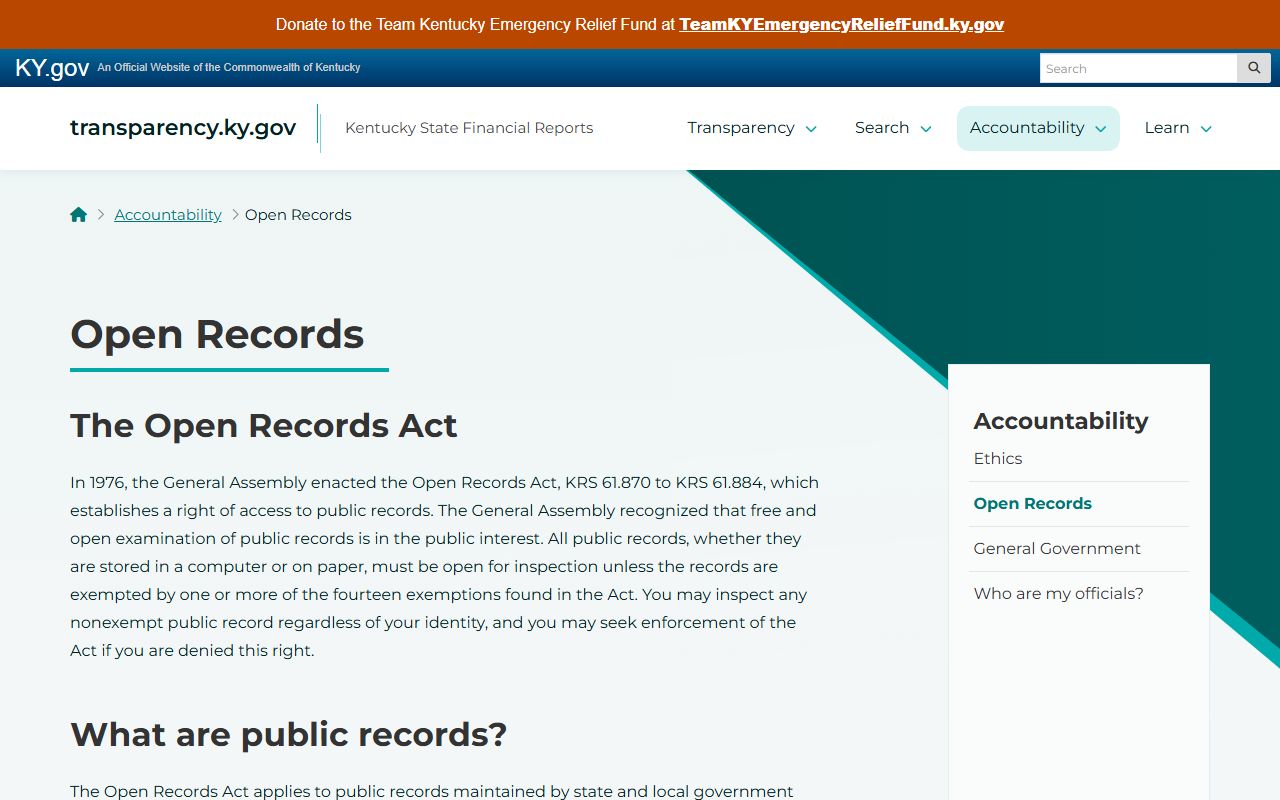
Kentucky's public-records framework is the Kentucky Open Records Act, found at KRS 61.870 to 61.884. The General Assembly passed it in 1976, and it establishes a right of access to public records. Records held on paper or computer must be open for inspection unless a law makes them exempt, and the burden falls on the agency to justify withholding a record. The Kentucky Open Records Act overview explains the basic right and how it works.
Court case records sit on a slightly different track. The Kentucky Court of Justice says it does not maintain case files, so requests for those start with the clerk of the court that heard the case rather than an open-records letter.
The definitions in KRS 61.870 set out what counts as a public agency and a public record across the act.
What Records the Jefferson County Clerk Maintains
The Jefferson County Clerk is a constitutional office that records and indexes public documents for the county. Beyond the courts, it is the home for land records and many legal filings. Its Legal Records Division helps people retrieve, research, copy, and view recorded documents.
The County Clerk handles a broad set of records and services:
- Deeds, mortgages, releases, and other recorded land documents.
- Business names, assignments, and UCC and fixture filings.
- Wills recorded in the legal records system, name changes, and liens.
- Marriage licenses, notary commissions, and professional licenses.
- Motor vehicle titles and registrations, plus elections administration.
Court case records, by contrast, are kept by the Office of Circuit Court Clerk. For those, see Jefferson County court records rather than the County Clerk's recording office.
The County Clerk's reach is wide. Its About page says the office registers or renews roughly 700,000 vehicles a year, which is why its website leans heavily toward vehicle services even though land records and licenses also live there. For a researcher, the Legal Records Division and the Deed Room are the practical entry points for recorded documents. The clerk serves Louisville and Jefferson County together, a result of the 2003 city-county merger.
Where Different Jefferson County Records Live
The most common open-records mistake is sending a request to the wrong office. Each kind of record has a home, and the request path differs. The table maps the main record types to the office that holds them.
| Record Type | Office | How to Request |
|---|---|---|
| Court case files | Office of Circuit Court Clerk | Clerk request or KYeCourts |
| Land, deeds, business filings | County Clerk | Deed Room or open records |
| Arrest and incident reports | Arresting agency | Open records request |
| Jail and inmate records | Louisville Metro Corrections | Inmate search or open records |
| Marriage licenses | County Clerk | In person or by mail |
When in doubt, a quick call to the office you think holds the record can confirm the right path before you file.
How to File a Public Records Request in Jefferson County
An open-records request works best in writing and aimed at the right office. The steps below follow the Kentucky Open Records Act and local agency practice.
- Identify the agency that holds the record, such as the County Clerk, the Sheriff, Metro government, or a court clerk.
- Put the request in writing and describe the records you want as clearly as you can.
- Include your name and contact information so the agency can respond.
- Submit it to that agency's records custodian by mail, email, or in person.
- Wait for the statutory response and pay any copy fees the agency charges.
The right of inspection is set in KRS 61.872, which lays out how to make a request to a public agency.
A few habits make requests go smoothly. Date your request and keep a copy. Ask for the specific records you need rather than everything an agency might have, since a narrow request is easier to fill and cheaper to copy. If you only want to view records, say so, because inspection can be free even when copies carry a fee. And send the request to the named records custodian, not a general inbox, so it lands with the person who must answer it.
Public Records Request Form Fields
Agencies often use a short request form. The Sheriff's Office, for example, asks for a written request to its records custodian. The table lists the fields a typical open-records request includes.
| Field Label | Type | Required | Notes |
|---|---|---|---|
| Requester name | Text | Yes | Who is asking for the records. |
| Contact information | Text | Yes | Mailing address, email, or phone for the response. |
| Description of records | Text | Yes | Describe the records as specifically as possible. |
| Inspect or copy | Choice | Yes | Whether you want to view records or get copies. |
| Date and signature | Text | Yes | Dates and signs the request. |
A clear description speeds the response, since a vague request can be returned for more detail.
Response Timelines
Agencies must respond within the time the law sets. The Sheriff's Office open-records notice says applicants will be advised within five working days. The statute on agency response, KRS 61.880, sets the duty to answer and the path if a request is denied. A response may grant the request, deny it with a reason, or explain a delay if records need to be gathered.
Plan for copy time, too. If records are voluminous or stored off site, the agency may need extra time to produce them, and it should tell you when to expect them. The five-working-day window is a starting point, not always the finish line, so a complex request can take longer while the agency locates and reviews the records. A clear, narrow request is the best way to get a faster answer.
Public Records Fees in Jefferson County
Fees depend on the office and the format. Agencies may charge for copies, and certified copies cost more than plain ones. The table lists common figures from official sources.
| Item | Amount |
|---|---|
| Sheriff's Office copy, per page | $0.10 |
| County Clerk regular copy | $2 for 3 pages, then $0.25 per page |
| County Clerk certified copy | $5 first 3 pages, then $0.50 per page |
| Non-written records | Actual cost of the medium |
| Court copies and certifications | Set by the Office of Circuit Court Clerk |
The Sheriff's notice charges actual cost for non-written records, so a recording or photo may be priced differently than paper.
Records That Are Exempt
Not every record is open. The Open Records Act exempts categories such as personal privacy, certain law-enforcement records, preliminary drafts, and records made confidential by other law. Juvenile court records, mental health files, and active investigation material are common examples that stay closed. The exemptions sit in KRS 61.878.
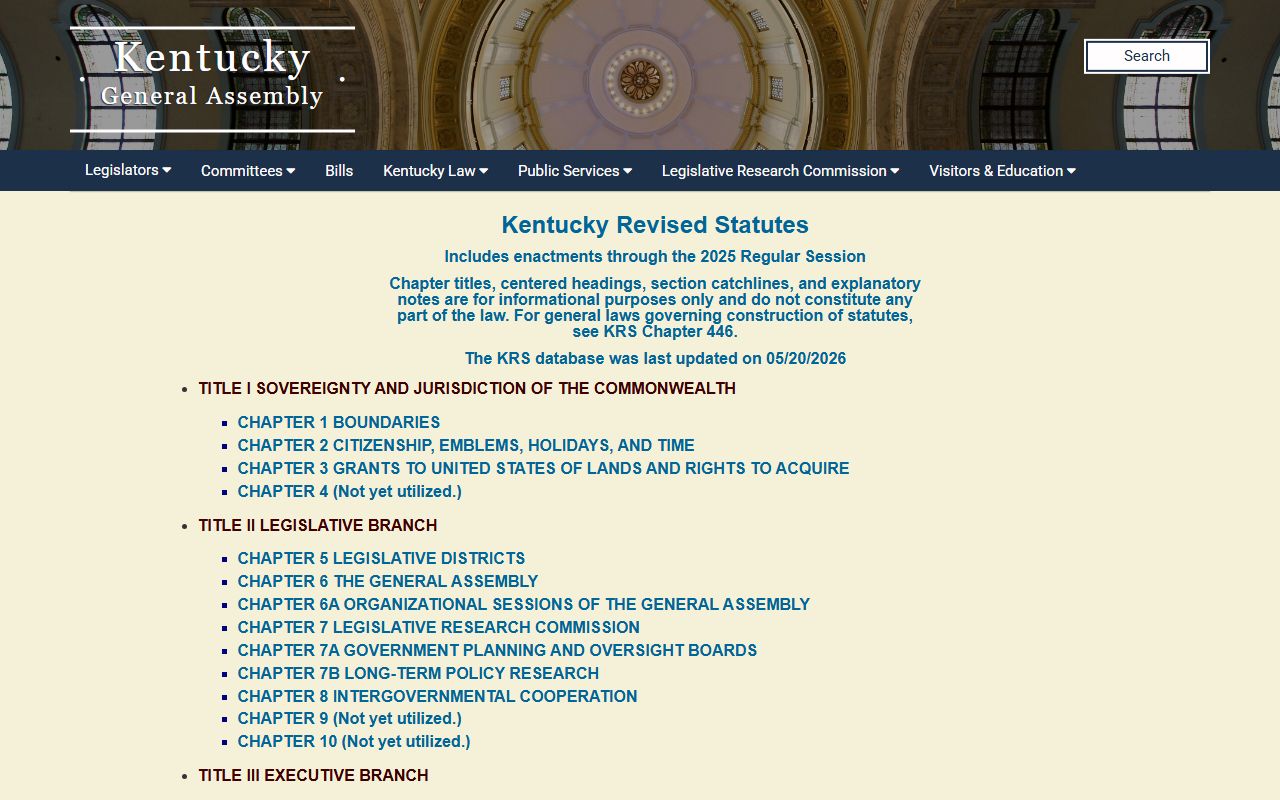
The full statute set is searchable for anyone who wants to read the rules directly. The Kentucky statutes index lets you look up the open-records sections and the specific exemptions.
When part of a record is exempt, an agency may still release the rest with the protected portions redacted. That partial release is common, so a denial of one piece does not always mean the whole record is closed.
If Your Jefferson County Request Is Denied
A denial is not the end of the road. Under KRS 61.880, an agency must give a reason when it denies a request, and a person may appeal. The Open Records Act allows an appeal to the Kentucky Attorney General for review, or enforcement in court. The Attorney General's opinion can carry the force of law if it is not appealed.
If you get a denial, read the cited exemption, narrow your request if it helps, and consider the appeal path. Keeping a copy of your written request and the agency's response makes any appeal easier to support.
Sometimes a denial is really a misdirected request. If an agency says it does not hold the record, ask which office does, since the record may simply live elsewhere in county or state government. A court case file is the classic example, because it is requested from the clerk rather than through an open-records letter. Matching the request to the right custodian often resolves the issue without a formal appeal.